
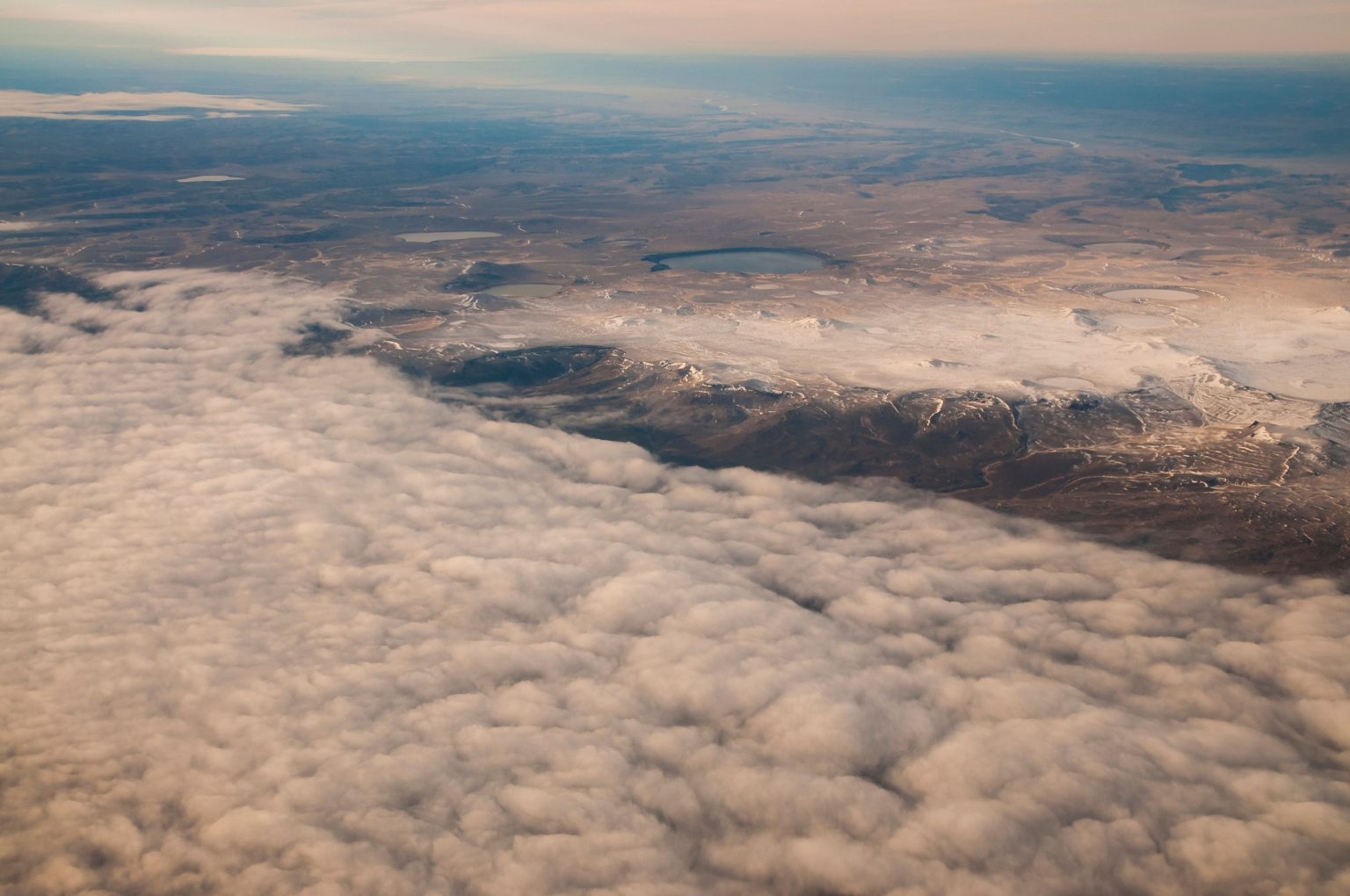
In the deep south of Argentina, where the Andes Mountains descend into vast open plains and the horizon seems to dissolve into sky, lies the Patagonian Desert, also known as the Patagonian Steppe. This immense landscape is not shaped by sand dunes, but by wind, stone, and time, forming one of the most powerful and least crowded regions on Earth.
- Where Is the Patagonian Desert Located
- Landscape and Terrain: A Sea of Stone and Sky
- Climate: Wind as a Way of Life
- Wildlife of the Patagonian Steppe
- Cultural and Historical Roots
- Top Places to Visit in the Patagonian Desert
- Cueva de las Manos
- Península Valdés
- Somuncurá Plateau
- Trelew and the Chubut Valley
- Sarmiento Petrified Forest
- 2-Day Patagonian Desert Itinerary
- Where to Stay
- Essential Travel Tips
- Hidden Gems of Patagonia
- The Kingdom of Silence
Covering more than 673,000 square kilometers, the Patagonian Desert is the largest desert in Argentina and the sixth largest desert in the world. Here, the wind never truly rests, the sky feels impossibly wide, and silence becomes part of the scenery. At first glance it may appear empty, yet Patagonia is filled with stories written in fossils, ancient art, wildlife tracks, and light.
This is a desert that does not overwhelm with spectacle, but with scale, solitude, and presence.
Where Is the Patagonian Desert Located
The Patagonian Desert (Desierto Patagónico) occupies nearly all of southern Argentina, stretching from the Colorado River in the north to the Strait of Magellan in the far south.
It spans across several provinces:
Neuquén
Río Negro
Chubut
Santa Cruz
Geographically, it extends roughly from 37°S to 52°S, with elevations ranging between 300 and 900 meters above sea level.
The desert is bordered by the Andes Mountains to the west, which block moist Pacific air, and the Atlantic Ocean to the east. This unique position creates one of the world’s most wind-exposed and rain-shadowed regions.
Landscape and Terrain: A Sea of Stone and Sky
Unlike sandy deserts, the Patagonian Desert is defined by gravel plains, volcanic plateaus, dry grasslands, and eroded mesas. Pebbles, ash, and hardy vegetation replace dunes, giving the steppe its stark, minimalist beauty.
The Patagonian wind sculpts everything. It smooths stones, carves cliffs, and bends vegetation low to the ground. At sunset, the land turns copper and gold. At night, the stars appear so close they feel tangible.
This is a place where movement comes from the sky, not the ground.
Climate: Wind as a Way of Life
The Patagonian Desert has a cold desert climate, rare in the Southern Hemisphere.
Average temperatures hover around 12°C, with summer highs reaching 30°C and winter lows dropping to -10°C. Annual rainfall is minimal, usually less than 200 millimeters.
Two forces shape the climate:
The Andes rain shadow, blocking moisture from the Pacific
Cold Atlantic currents, cooling air from the east
But above all, it is the wind that defines Patagonia. It is constant, powerful, and shaping, turning climate into character.
Wildlife of the Patagonian Steppe
Life in Patagonia is resilient, shaped by exposure and scarcity.
Land Animals
Guanacos, relatives of llamas, roam the plains in herds
Patagonian maras, large desert hares, sprint across open ground
Culpeo foxes and armadillos burrow into the earth
Pumas, elusive and intelligent, rule the remote lowlands
Birdlife
Rheas (ñandú) stride across the steppe like prehistoric echoes
Eagles and falcons ride the relentless winds
Life Along the Coast
Where the desert meets the Atlantic, life explodes. The Patagonian coast hosts orcas, sea lions, elephant seals, penguins, and whales, creating a dramatic contrast between silent land and living sea.
Cultural and Historical Roots
Long before modern borders, the Tehuelche people inhabited Patagonia, mastering survival in the wind-swept steppe. Their legacy remains in sites like Cueva de las Manos, where handprints still mark the stone.
In 1520, Ferdinand Magellan arrived and named the land after its people, calling them Patagones. Later, gauchos carried on a tradition of endurance, riding the plains much as they still do today.
Patagonia’s culture is one of distance, patience, and quiet strength.
Top Places to Visit in the Patagonian Desert
Cueva de las Manos
A UNESCO World Heritage Site, featuring hand stencils over 10,000 years old, offering one of the world’s most powerful connections to prehistoric humanity.
Península Valdés
Where desert meets ocean. This coastal reserve is famous for whales, seals, penguins, and orcas, making it one of South America’s richest wildlife areas.
Somuncurá Plateau
A vast volcanic tableland whose name means “the stone that speaks”. Remote, wild, and deeply Patagonian.
Trelew and the Chubut Valley
A green river corridor settled by Welsh immigrants, cutting through the arid plains and blending cultures unexpectedly.
Sarmiento Petrified Forest
Ancient fossilized trees emerge from the desert, reminders of a time when Patagonia was lush and green.
2-Day Patagonian Desert Itinerary
Day 1: Wind and Memory
Morning visit to Cueva de las Manos
Afternoon drive across the Somuncurá Plateau
Night under the stars, listening to the wind
Day 2: Desert and Ocean
Morning exploration of Península Valdés
Afternoon wildlife viewing along the Atlantic coast
Evening in Trelew, enjoying Welsh tea and local cuisine
Where to Stay
Puerto Madryn: Hotel Territorio, Dazzler Puerto Madryn
Trelew: Rayentray Hotel
Sarmiento: Hotel Patagonia
Rural estancias offer authentic gaucho experiences
Camping on the steppe delivers unmatched night skies and silence
Essential Travel Tips
Best time to visit: October to April
Always carry windproof clothing
Fuel stations are sparse, plan carefully
A 4×4 vehicle is ideal for remote plateaus
Stay hydrated and respect Patagonia’s silence
Hidden Gems of Patagonia
Bosques Petrificados National Park
Cabo Dos Bahías penguin colonies
Laguna Blanca, a flamingo refuge
Los Altares Canyon, with ancient rock art
The Kingdom of Silence
The Patagonian Desert is not a place that demands attention. It does not perform. It simply exists, vast and unhurried.
Here, the wind carries memories older than nations, the land stretches beyond urgency, and silence becomes something you feel rather than hear. Patagonia does not try to impress you.
It reminds you how small you are, and how wide the world still is.