
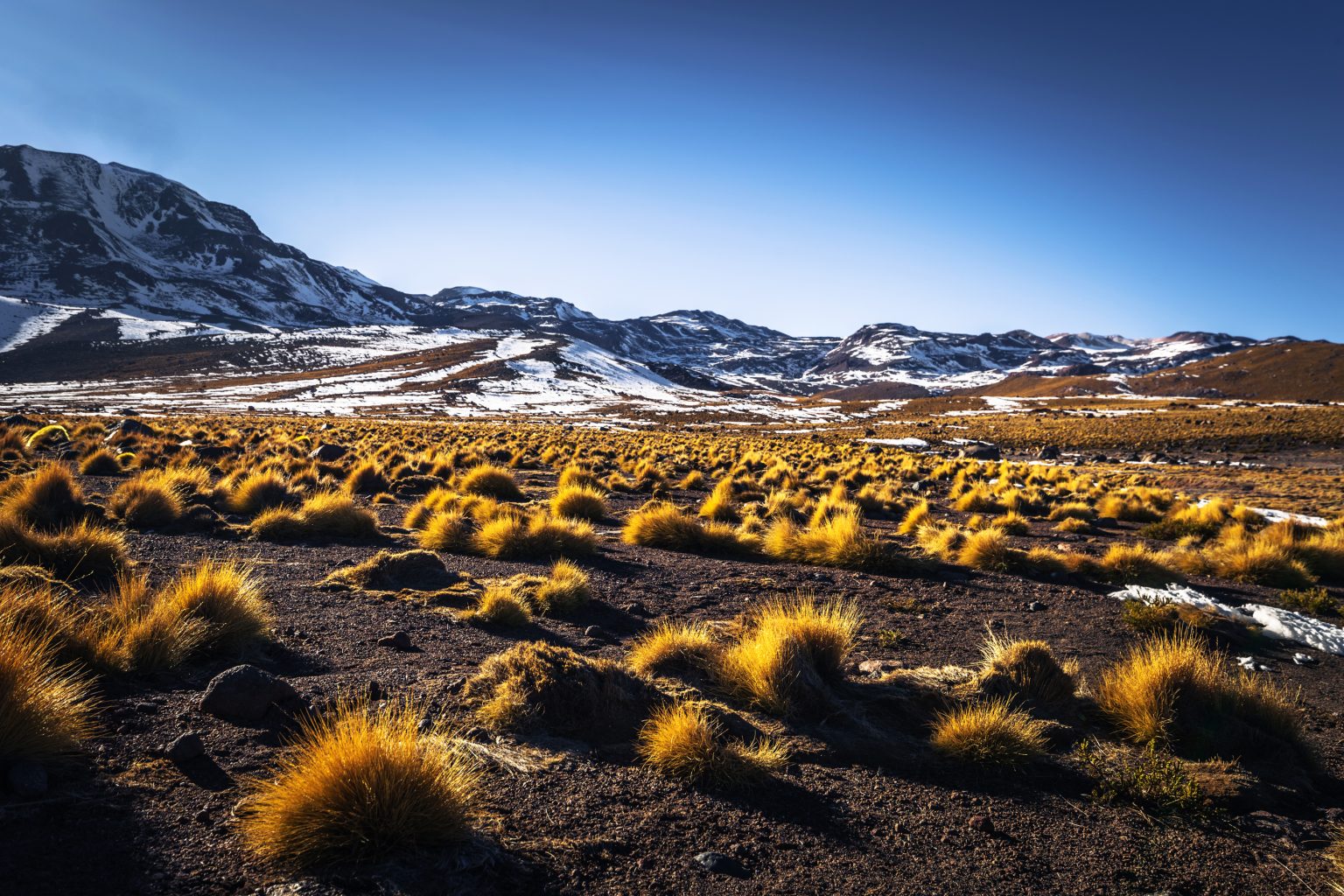
A place where it might not rain for decades, where huge mountains rise more than 6,000 meters, and where people used to live in an environment that seems almost strange.
- How Chile’s Deserts Look
- Valle de la Luna and Other Scenes from the Moon
- The Altiplano, or High Andean Plateau
- The Salar de Atacama
- The Geysers of Tatio
- Living Things in Chile’s Desert
- Animals That Live in High Places
- Birds That Live in Deserts, Like Flamingos, Condors, and
- Reptiles and Bugs
- Plants That Can Survive in the Dry Chilean Desert
- Plants That Need Fog
- Plants in the High Plains
- Flower Desert (Blooming Desert)
- The Best Places in Chile to See Animals and Plants That Live in the Desert
- Near San Pedro de Atacama
- La Laguna Chaxa
- The Miscanti and Miñiques Lagunas
- The Moon Valley
- Hot Springs at El Tatio
- National Reserve for Flamingos
- A Park in Mexico Called Pan de Azúcar
- Travelers’ Experiences in the Desert
- Taking a Look at the Night Sky in Atacama
- Going Hiking and Climbing Volcanoes
- Wildlife Tours
- Having Fun With 4x4s
- Going to See the Villages of Native Atacameños
- The Best Time to Go and the Weather
- When Is the Best Time to Go to Chile’s Desert?
- How to Stay Safe on a Trip to the Desert in Chile
- A Desert With Lots of Stars, Peace, and Interesting Life
Even though it’s dry, the Atacama Desert is full of life. In its valleys, foxes roam, flamingos eat in mineral-rich lagoons, vicuñas graze on highland fields, and tough plants survive on fog and dew.
There is a peace and stillness in Chile’s desert, where the stars shine silver light over wild, sculpted landscapes and amazing rock. There is no other place on Earth as beautiful as this.
How Chile’s Deserts Look
The driest part of Chile is the Atacama Desert.
From northern Chile to the Andes, the Atacama is a patchwork of diverse landforms.
- Salt flats
- Lagoons full of color
- Sand dunes
- Volcano fields
- Geysers
- Rock-filled canyons
It has many different kinds of plants and animals, making it a rich environment.
Valle de la Luna and Other Scenes from the Moon
The place’s name comes from its appearance, which resembles the moon’s surface. It’s a weird and wonderful place to walk and take pictures because the rock has been worn down, there are shimmering salt formations, and there are huge dunes.
The Altiplano, or High Andean Plateau
The Altiplano is between 3,500 and 4,500 meters above sea level.
- Vicuñas
- The flamingo
- Grass that grows in dry places
- Mountain ranges topped with snow
Wildlife that is fully adapted to living at these heights is hit by cold winds in this high desert. The end result is a sight that is both harsh and lively.
The Salar de Atacama
Pets and birds like to hang out in the mineral-rich crusts and small lagoons of Chile’s biggest salt flat.
The Geysers of Tatio
At 4,300 meters, clouds of steam rise through the clear morning air in the geothermal field, making a strange scene.
These things make the mountains of Chile look nice.
Living Things in Chile’s Desert
Animals That Live in High Places
Even though it doesn’t rain much, the desert in Chile is home to many well-known animals.
The vicuña is one of four camelids native to South America. It’s both beautiful and wild.
They are big camels that live on wide fields.
The Andean fox, or culpeo, is a smart animal that lives in mountains and rocky areas.
A vizcacha lives in rocks and looks like a rabbit.
The puma is rare, but you can find it in the desert mountains.
A small animal called Darwin’s leaf-eared mouse has evolved to live in dry places.
These animals stay alive by being smart about how they use water, staying busy at night, and only eating certain foods. In the hottest areas, they show how strong they are.
Birds That Live in Deserts, Like Flamingos, Condors, and
The desert is full of color and life because of the birds.
The Atacama has the following things that you can see:
- Another flamingo from the Andes
- James’s pink flamingo
- Pink Flamingo from Chile
- Fish in these species eat algae and brine shrimp in mineral lakes that are high in these.
Many people also see the following birds:
- The Andean condor flies over desert cliffs.
- Puna ibis
- Cinnamon and blue
- Bird of the Andes: Avocet
- A big coot
- There are finches and sparrows in the desert.
Around streams are the oases where hummingbirds live.
Near salty lakes, oases, and the town of San Pedro de Atacama, there are a lot of birds. These birds make these strange places come to life.
Reptiles and Bugs
Reptiles do very well in the Atacama Desert’s extreme heat and constant dryness. Each species has developed unique traits to survive in this harsh environment.
These are some common species:
- A snake from Atacama
- Lizards
- Iguanas
- Lizards in the desert that have spots on their sides
Bugs like desert ants and beetles are important parts of the Atacama food web, which helps keep the desert in balance.
Lots of bugs that need fog to live can be found near the water, where the “camanchaca,” a cool mist, gives them water.
Plants That Can Survive in the Dry Chilean Desert
Some of the most amazing and well-honed changes in nature can be seen in plants here. They do well in places where water is hard to find and being alive takes creativity.
Plants That Need Fog
Fog gives plants near the coast the water they need:
- Tillandsia leaves, or air plants.
- Cacti got used to living in the fog.
- Some desert plants catch dew.
Plants in the High Plains
In places with high elevations, the following plants grow:
- Tola plants
- Grass in the park
- Yareta is a cushion plant that takes a long time to grow.
Flower Desert (Blooming Desert)
There are years when rain makes the desert look like a tapestry of plants. The pink, purple, and yellow flowers turn the empty spot into a wonderland for a short time.
This is a very rare event that draws people from all over the world.
The Best Places in Chile to See Animals and Plants That Live in the Desert
Near San Pedro de Atacama
The start of Chile’s desert, close to animals, geysers, salt lakes, and dunes.
La Laguna Chaxa
A spot in the Salar de Atacama where flamingos can live.
The Miscanti and Miñiques Lagunas
Lagoons at high elevation surrounded by mountains that are home to birds and vicuñas.
The Moon Valley
A well-known desert hike with strange scenery.
Hot Springs at El Tatio
Wildlife moves around in the morning at this volcanic wonder.
National Reserve for Flamingos
Protects ecosystems across several salt flats.
A Park in Mexico Called Pan de Azúcar
A park in the desert next to the water with lots of plants, foxes, and birds.
Travelers’ Experiences in the Desert
Taking a Look at the Night Sky in Atacama
Atacama has the clearest night sky in the world.
On astronomy walks, you can see the Milky Way, nebulae, and planets in a lot of detail.
Going Hiking and Climbing Volcanoes
Some mountains, like Licancabur, are hard to climb, but the views are worth it.
Wildlife Tours
There are guides who help you find flamingos, foxes, vicuñas, and other odd birds at dawn and dusk.
Having Fun With 4x4s
Want to find dry salt flats, valleys, and hidden oases.
Going to See the Villages of Native Atacameños
When people from the area meet visitors, they share their traditions and tell stories about how they’ve lived and farmed in the desert over the years.
The Best Time to Go and the Weather
When Is the Best Time to Go to Chile’s Desert?
The weather is nice, and the skies are clear from April to December.
From December to February, it might get warm, but not too hot.
In high places, it can get very cold at night, even below freezing.
On the Altiplano, it only rains a little in the summer.
How to Stay Safe on a Trip to the Desert in Chile
- Get a lot of water.
- Keep the sun off of you.
- Cover up (hot days, cold nights)
- Slowly get used to the height.
- Hire a guide when you visit places off the beaten path.
- 4x4s are the best way to get to faraway places.
- Just be careful with already fragile deserts.
Many people get altitude sickness at high altitudes.
A Desert With Lots of Stars, Peace, and Interesting Life
There is life in the Chilean desert that you can’t find anywhere else. The air is the driest, the skies are the cleanest, and the stars are the brightest.
Some animals that live in the area eat in blue lagoons, vicuñas graze under volcanoes, and foxes walk through red rock valleys.
This amazing desert looks like a peaceful spot with plenty to see, like animals you might not know about, beautiful landscapes, and a silence that sounds like the heartbeat of old landscapes.
The desert in Chile is one of the most amazing places on Earth for tourists who want to see amazing landscapes, meet interesting animals, and feel like they’re in another world.