
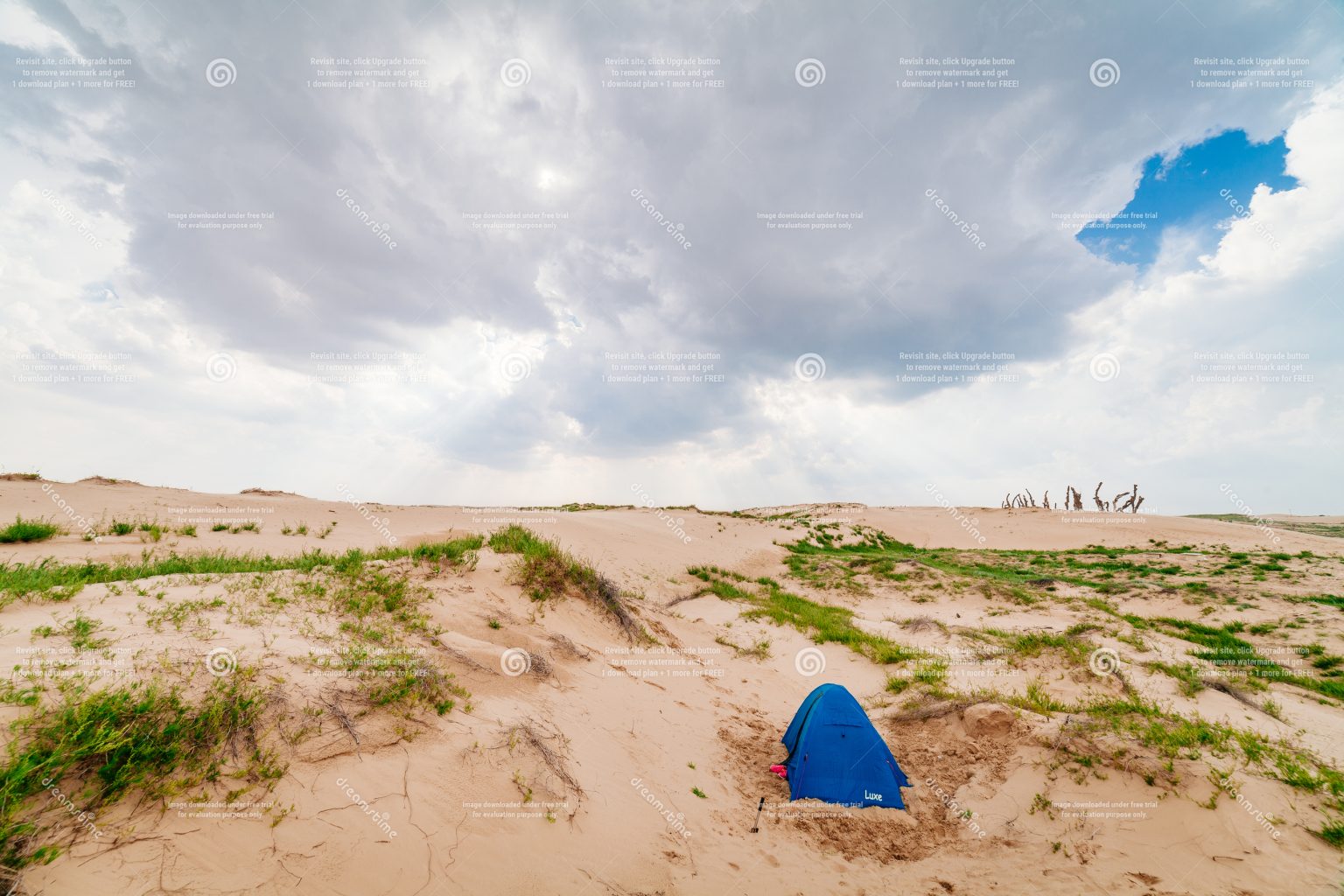
Camping in China’s deserts is the purest way to experience the country’s wild soul. From the remote Taklamakan Desert in Xinjiang to the lake-filled dunes of Badain Jaran in Inner Mongolia, desert camping here is more than an outdoor adventure. It is a deeply reflective journey where history, nature, and stillness converge.
- Why Desert Camping in China Is So Special
- Best Desert Camping Destinations in China
- Badain Jaran Desert, Inner Mongolia
- Mingsha Shan and Crescent Moon Lake, Dunhuang (Gansu)
- Taklamakan Desert, Xinjiang
- Ejina Desert and Poplar Forests, Inner Mongolia
- Lop Nur Region, Eastern Xinjiang
- What to Expect When Camping in China’s Deserts
- What to Bring for Desert Camping
- Best Time to Camp in China’s Deserts
- Stargazing in China’s Desert Skies
- Responsible Desert Camping
- Sample 3-Day Camping Itinerary: Badain Jaran Desert
- Why Desert Camping in China Leaves a Lasting Impression
Why Desert Camping in China Is So Special
China’s deserts are not empty spaces. They are living archives of geology, culture, and ancient trade routes shaped by wind and time.
What makes desert camping in China unique:
Rare landscapes combining dunes, lakes, fossils, and oases
Strong links to the Silk Road and nomadic heritage
Exceptional stargazing and night photography conditions
Warm hospitality from Mongolian and Uyghur communities
A deep sense of isolation that restores perspective
In these remote regions, camping offers a glimpse into Asia as it once was and, in some places, still is.
Best Desert Camping Destinations in China
Badain Jaran Desert, Inner Mongolia
Known as the “Desert of Lakes,” Badain Jaran is one of the most surreal camping destinations on Earth. Towering dunes rise over 500 meters, sheltering deep blue lakes between them.
Key highlights:
Camping near Bilutu Lake, one of the desert’s most beautiful water bodies
Visiting the remote Badain Jaran Temple buried in sand
Absolute silence ideal for meditation and stargazing
At night, the Milky Way reflects on still desert lakes, creating an otherworldly scene.
Perfect for travelers seeking solitude, photography, and inner calm.
Mingsha Shan and Crescent Moon Lake, Dunhuang (Gansu)
Near the historic Silk Road city of Dunhuang, this area offers a more accessible desert camping experience with strong cultural depth.
Why camp here:
Safe campsites near Crescent Moon Lake
Camel rides and sandboarding at sunset
Day visits to the Mogao Caves
As dusk falls, the dunes glow amber and the sand “sings” in the wind.
Ideal for first-time desert campers and culture-focused travelers.
Taklamakan Desert, Xinjiang
The Taklamakan, China’s largest desert, delivers a raw and powerful sense of isolation. Its vast sand sea and ancient caravan routes make it one of Asia’s most intense desert experiences.
What to expect:
Remote camps between Hotan and Korla
Dark skies with exceptionally bright stars
Ruins and traces of ancient Silk Road oases
Moonlit dunes stretch endlessly, making nights feel timeless.
Best suited for experienced travelers and expedition-style trips.
Ejina Desert and Poplar Forests, Inner Mongolia
Ejina Banner transforms each autumn when ancient poplar trees turn brilliant gold against the sand.
Highlights include:
Camping among dunes and golden forests
Visiting during the Ejina Poplar Festival (October)
Mild weather and calm conditions
Sleeping beneath stars and waking to glowing poplars feels almost unreal.
Excellent for autumn travelers and families.
Lop Nur Region, Eastern Xinjiang
Once called the “Heart of Asia,” Lop Nur is among China’s most extreme desert areas.
Why it stands out:
Completely uninhabited landscapes
Strong historical and geological significance
Profound silence unlike anywhere else
Camping here offers a rare feeling of total detachment.
Recommended only for scientists, explorers, and guided expeditions.
What to Expect When Camping in China’s Deserts
Most organized desert camps include tents, sleeping mats, local meals, and guides. In places like Dunhuang and Badain Jaran, comfortable eco-lodges and glamping options are also available.
Typical experiences include:
Camel rides at sunset
Bonfires and stargazing sessions
Traditional Uyghur or Mongolian meals
Morning walks across untouched dunes
Temperatures can drop sharply, from 35°C during the day to near 5°C at night, so preparation is essential.
What to Bring for Desert Camping
Essentials:
Sleeping bag rated to 0°C or lower
Warm layers and a light insulated jacket
Headlamp or flashlight
Sunscreen and sunglasses
At least 3 liters of water per person per day
High-energy snacks
Optional but useful:
Power bank or solar charger
Tripod for night photography
Binoculars or a small telescope
Pack everything in dust-proof bags, as fine desert sand gets everywhere.
Best Time to Camp in China’s Deserts
Seasonal overview:
April–June: Warm days, cool nights, ideal balance
July–August: Very hot; camp only early morning or evening
September–October: Best overall conditions with clear skies and mild temperatures
November–March: Cold and harsh, but extremely quiet
For most travelers, May to October offers the safest and most rewarding camping experience.
Stargazing in China’s Desert Skies
China’s deserts host some of Asia’s darkest night skies, far from urban light pollution.
Top stargazing spots:
Badain Jaran lakes for reflections of the Milky Way
Taklamakan Desert for uninterrupted star fields
Dunhuang dunes for accessible night photography
You can expect:
Clear Milky Way views from May to September
Meteor showers like the Perseids (August)
Excellent naked-eye visibility
Under these skies, even silence feels illuminated.
Responsible Desert Camping
To protect these fragile environments:
Carry out all waste
Use reusable containers and eco-friendly products
Avoid damaging dunes or desert plants
Respect local herders and nomadic communities
Camp only in permitted areas or with guides
Deserts heal slowly. Respect ensures future travelers experience the same purity.
Sample 3-Day Camping Itinerary: Badain Jaran Desert
Day 1:
Arrive in Alxa → 4×4 transfer into Badain Jaran → camel ride to Bilutu Lake → camp setup
Day 2:
Sunrise visit to Badain Jaran Temple → picnic by the lake → stargazing at night
Day 3:
Early photography session → breakfast → return to Alxa or continue to Zhangye
Three days of stillness, scale, and perspective.
Why Desert Camping in China Leaves a Lasting Impression
Camping in China’s deserts changes how you see space and time.
In silence deep enough to hear your thoughts, patience returns naturally.
The dunes teach you to slow down.
The stars remind you how vast the world is.
And the absence of noise becomes a presence of meaning.
You don’t simply visit China’s deserts.
You carry them with you long after you leave.