
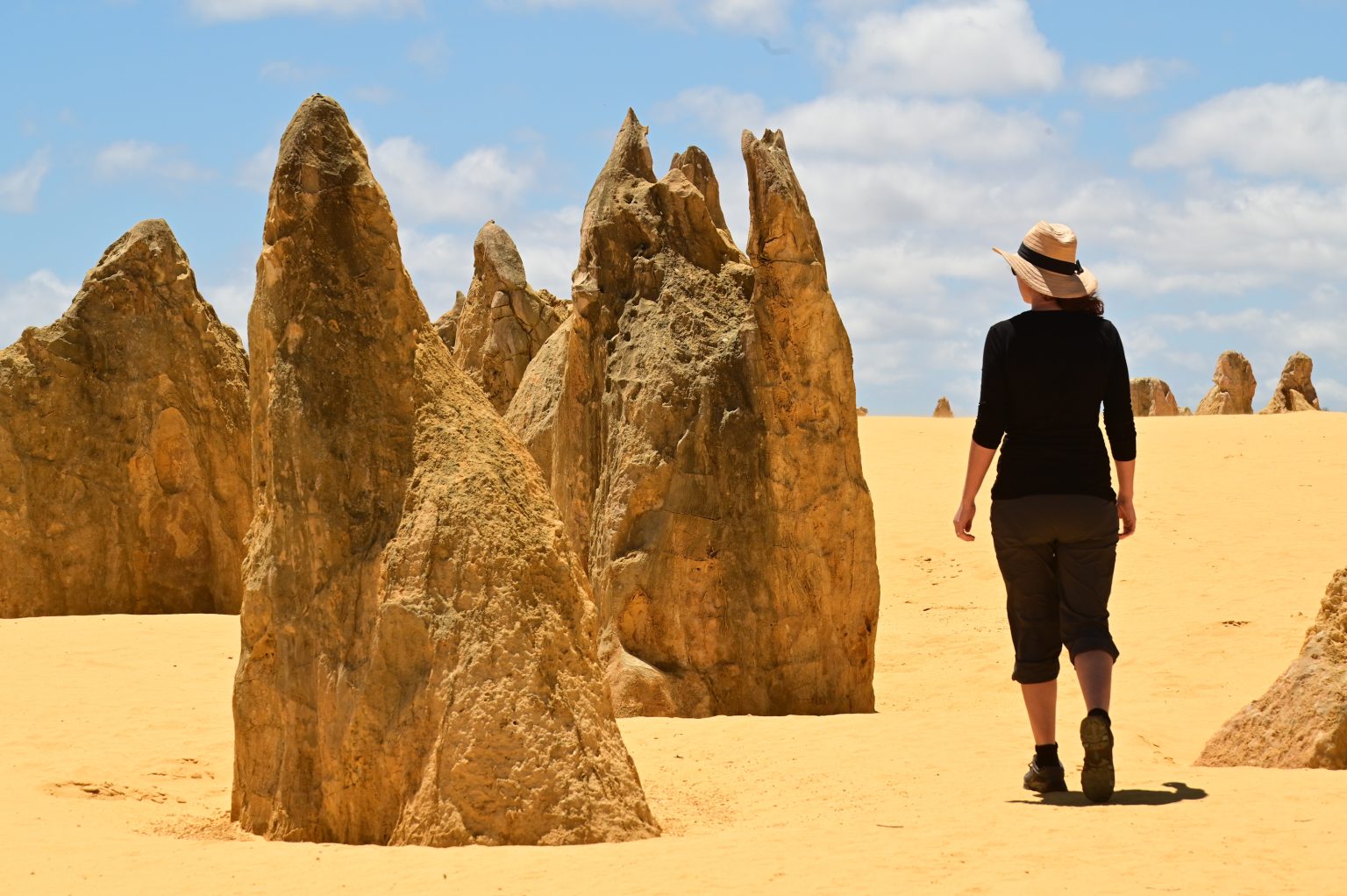
Covering nearly 70% of the continent, Australia’s deserts form one of the most remote and diverse environments on Earth. These vast regions are shaped by extreme nature, deep silence, and ancient cultures that continue to define the land. From the wide horizons of the Outback to the striking red sands of the Red Centre, Australia’s desert landscapes attract travelers seeking adventure, solitude, and a meaningful connection with nature.
Exploring Australia’s desert regions requires careful preparation, respect for fragile ecosystems, and awareness of their cultural significance. Whether you are traveling to Uluru, Kings Canyon, the Simpson Desert, or remote Outback tracks, this guide offers practical advice to help you explore safely, responsibly, and with confidence.
Understanding Australia’s Desert Landscapes
The Red Centre of Australia
The Red Centre defines Australia’s desert identity. Located in the Northern Territory, it is home to Uluru, Kata Tjuta, and Kings Canyon, surrounded by vast red sand plains.
This region holds profound spiritual meaning for Aboriginal communities, with sacred sites and Dreamtime stories deeply connected to the land. Its powerful colors and cultural depth make it one of Australia’s most iconic desert destinations.
The Australian Outback
The Australian Outback stretches across multiple states and represents Australia’s most remote interior. It features harsh terrain, arid plains, unique wildlife, and widely scattered settlements.
Long-distance drives, silence, stargazing, and a strong connection to nature define the Outback experience, offering a sense of scale found in very few places worldwide.
Major Desert Regions in Australia
Australia contains eleven recognized deserts. Among the most notable are:
Great Victoria Desert, spanning Western and South Australia
Great Sandy Desert, home to Aboriginal lands and rolling dunes
Simpson Desert, famous for its long, parallel red dunes
Gibson Desert, vast and rarely visited
Across these deserts, landscapes vary from rocky ranges and dune fields to salt lakes and open plains.
Climate and Environment in Australia’s Deserts
Australia’s deserts are extreme environments. Summer temperatures often exceed 45°C, while winter nights can be very cold. Rainfall is scarce, though sudden storms can briefly transform the land.
Travelers should be prepared for long distances, intense heat, limited shade, and minimal services.
Preparing for Your Australian Desert Journey
Choosing the Right Desert Destination
Different desert regions offer distinct experiences:
Uluru and Kata Tjuta for cultural exploration and photography
Simpson Desert for challenging 4×4 adventures
Queensland Outback for wide plains and historic towns
Western deserts for solitude and remote travel
Choose based on experience level, trip length, and desired activities.
Understanding Aboriginal Culture
Australia’s deserts have been home to Aboriginal peoples for tens of thousands of years. Respecting cultural protocols is essential.
Certain areas, including parts of Uluru, are restricted due to spiritual significance. Learning basic cultural guidelines enhances understanding and respect for the land.
Final Thoughts on a Safe and Meaningful Desert Journey
Australia’s deserts are defined by scale, silence, and cultural depth. From sacred rock formations and endless red plains to remote Outback tracks, these landscapes reward travelers who approach them with preparation and respect.
By understanding desert conditions, respecting Aboriginal culture, and planning carefully, visitors can explore Australia’s desert regions safely and responsibly. For those willing to slow down and observe, the Australian desert offers not just a destination, but an experience worth discovering.